A journey to Gwadar isn’t complete without carrying home a piece of Gwadari Halwa, a cherished souvenir.
Gwadar, a charming coastal town, unveils a hidden gem cherished not only in the heart of Balochistan but across borders for its exceptional flavor – the renowned Gwadari Halwa.
What sets this treat apart is its enchanting transformation: as time passes, its taste only becomes more tantalizing.
Beyond Gwadar’s confines, Gwadari Halwa’s fame transcends to the wider Makran region, encompassing Karachi, the interiors of Balochistan, as well as Gulf countries and Iran.
The origins of this delectable delight trace back 70 years, a legacy attributed to a Gwadar native named Bandali, hailing from the Hindu community.
Yet, the true transformation occurred in the hands of Khuda Bakhsh, an artisan at Bandali’s shop. Infusing a subtle innovation, he bestowed Gwadari Halwa with a novel identity, eventually leading to the establishment of his own shop.
Today, Khuda Bakhsh Halwai’s legacy continues through the hands of his descendants, preserving the essence of this cherished treat.
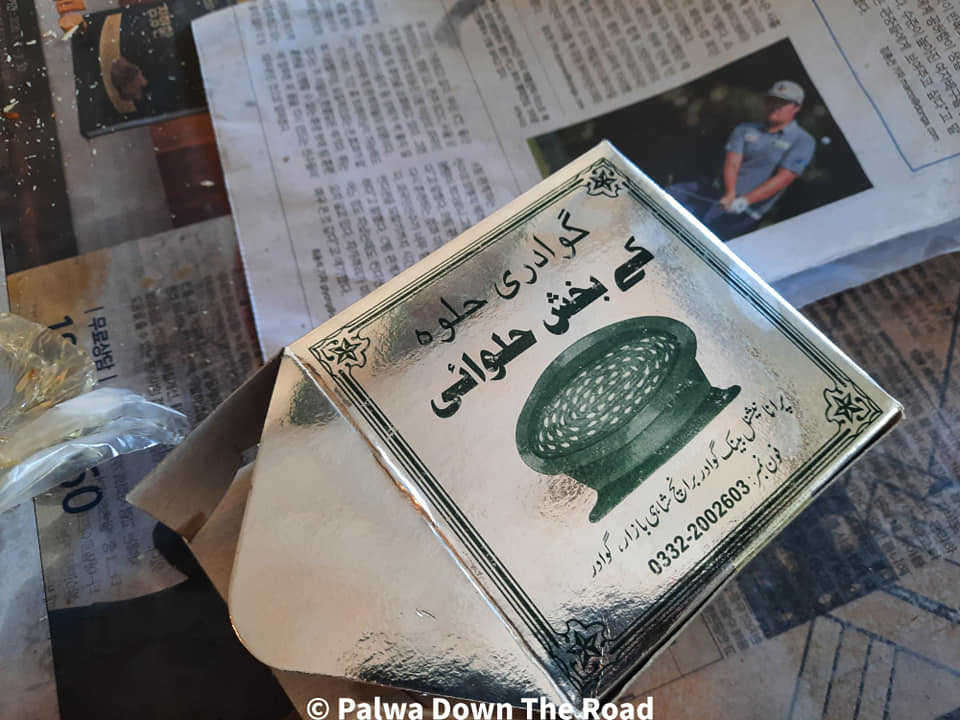
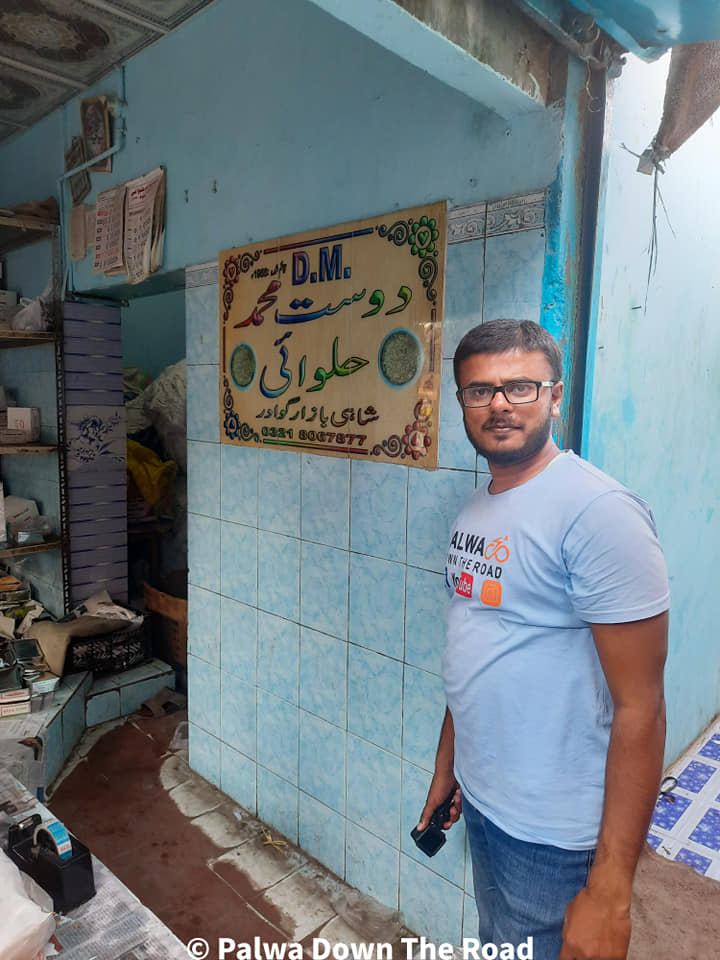
While numerous Gwadari Halwa outlets dot the landscape, Khuda Bakhsh Halwai’s establishment stands as an epitome of distinction. One intriguing theory even posits that this halwa’s origins can be traced to the Arabs who once held dominion over Gwadar.
Over time, however, the artistry of crafting this delight was embraced by the local populace.
Types of Gwadari Halwa
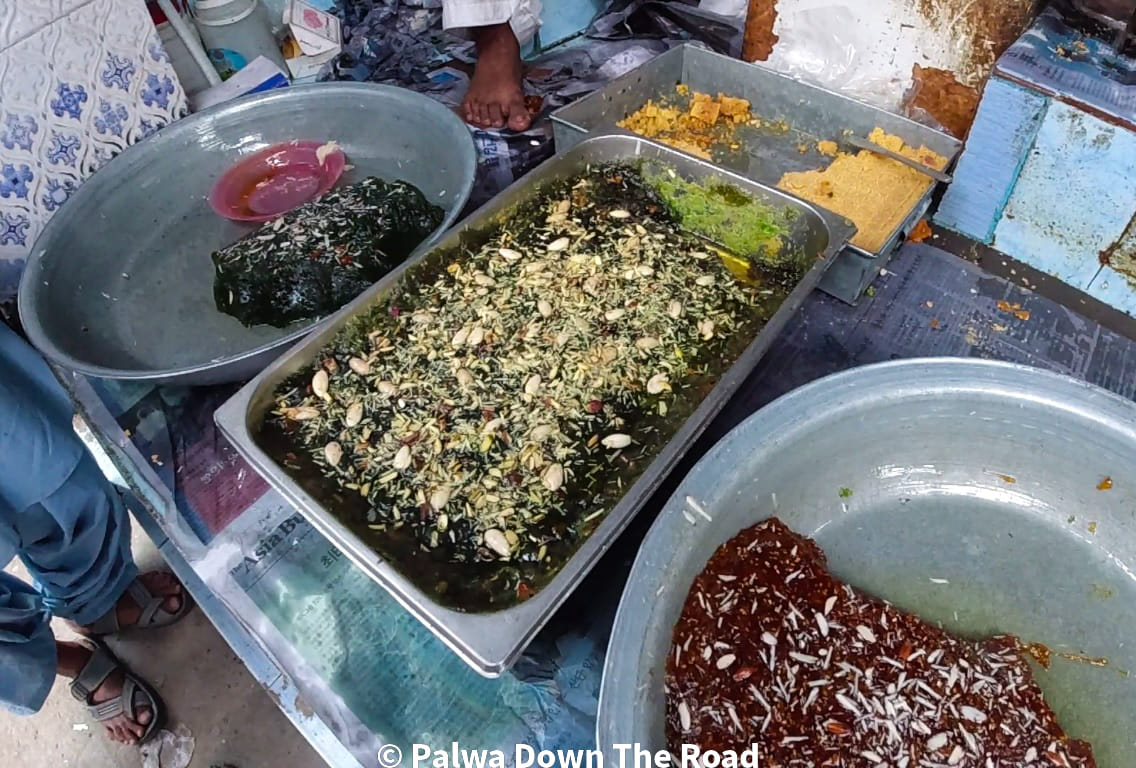
The bustling hub of Shahi Bazar in Gwadar now hosts an array of shops featuring diverse varieties of this halwa. Among these, the “Darman” stands out, crafted from the finest Desi Ghee and adorned with almonds, walnuts, pistachios, and saffron.
Yet another variant, the “Banoar” – reminiscent of a bride’s radiance – boasts a vibrant yellow hue. Embellished with sesame seeds and almonds, it’s a daily favorite, often reaching an impressive 300 to 1000 kg in sales.
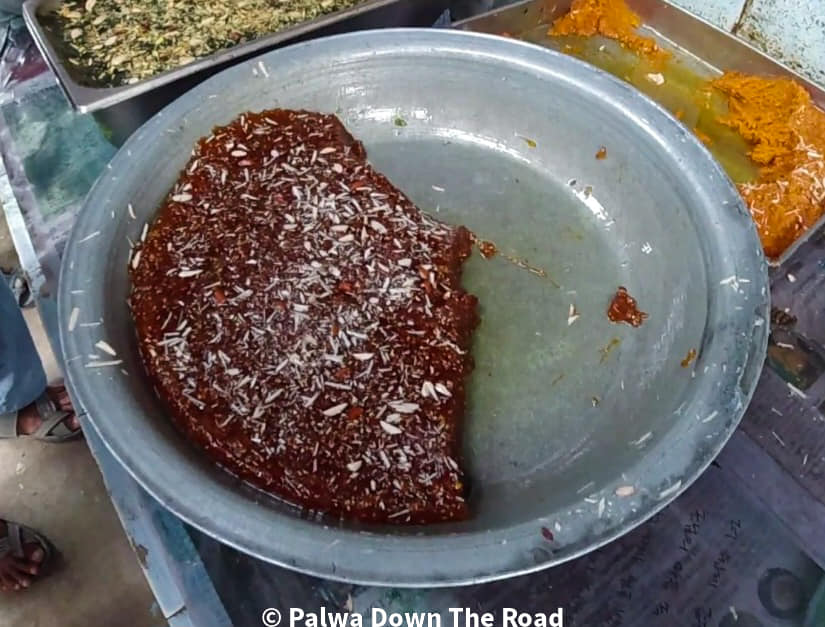
Crafting this masterpiece involves boiling a blend of sugar and water, followed by the addition of white flour.
After a meticulous beating, a symphony of ghee, syrup, almonds, pistachios, and walnuts enhances the mixture. Within 30 to 40 minutes, the Banoar halwa emerges in all its glory.
As a treasured emblem of Gwadar, the vivid green Gwadari Halwa serves as a symbol of hospitality. Guests are greeted with this confection on occasions of both jubilation and sorrow.
Interestingly, Gwadari Halwa wasn’t always green – it underwent an evolution from white to yellow before adopting its current vibrant hue.
An exceptional trait of this halwa is its remarkable shelf life; even after a year, its original flavor remains unspoiled. Every day, a considerable quantity of this culinary masterpiece is prepared and sold, testament to its enduring popularity.
In Gwadar’s maritime culture, when a new boat takes form, Gwadari Halwa takes on the role of harbinger, bestowing fishermen with its goodness before their vessel embarks on its maiden voyage.
To savor the magic of Gwadar, one mustn’t miss the opportunity to indulge in the captivating journey of Gwadari Halwa. A tale of tradition, innovation, and resilience, it stands as a testament to the exquisite flavors that bind cultures and communities.