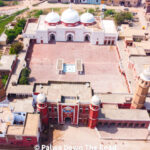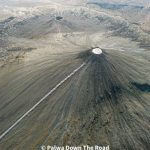
Chappar Rift served as an alternate route for Quetta for about five years and was closed in 1942. Even I didn’t know about this glorious piece of engineering until I reached here.
Chappar Rift is a hidden wonder of the world and an extraordinary piece of engineering about 6000 feet above sea level.
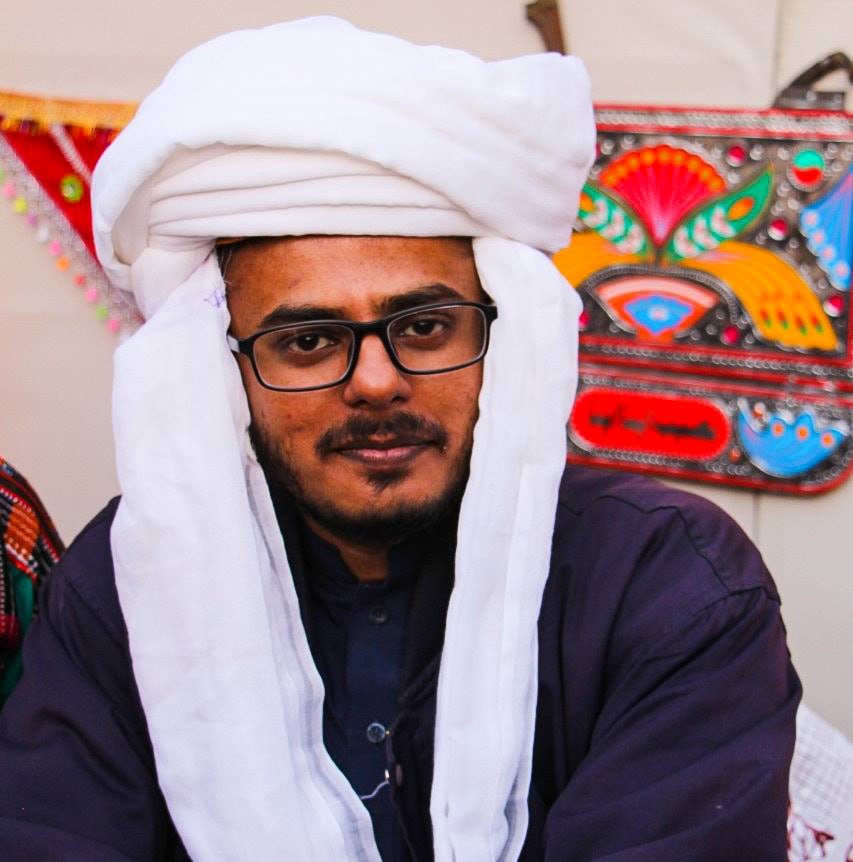
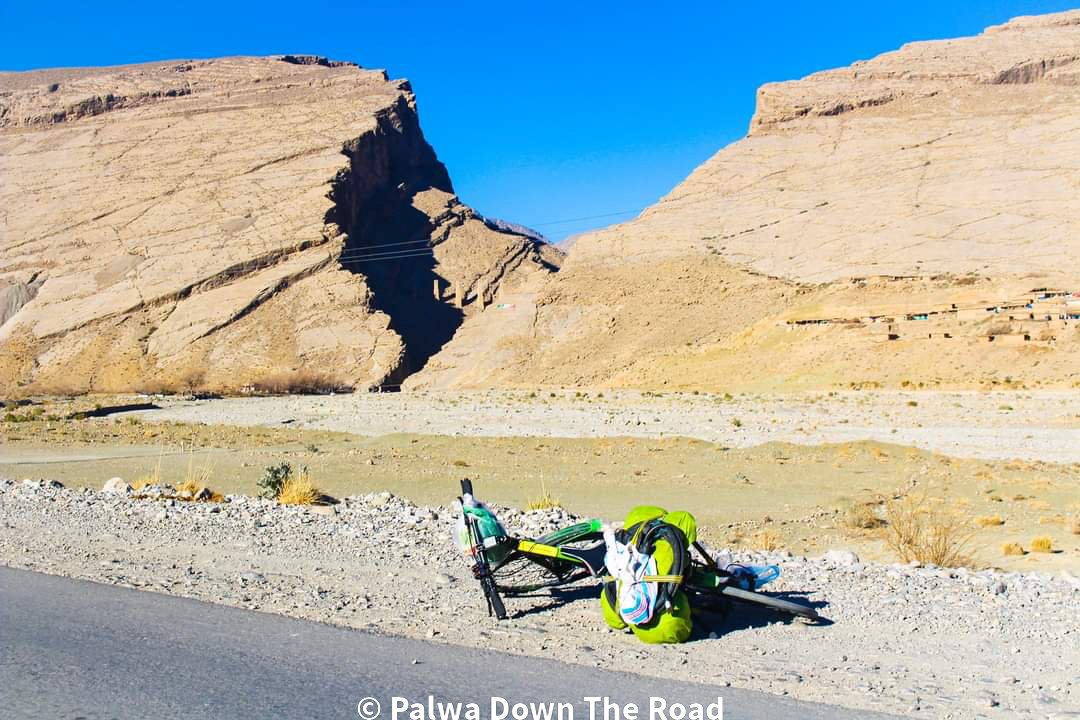
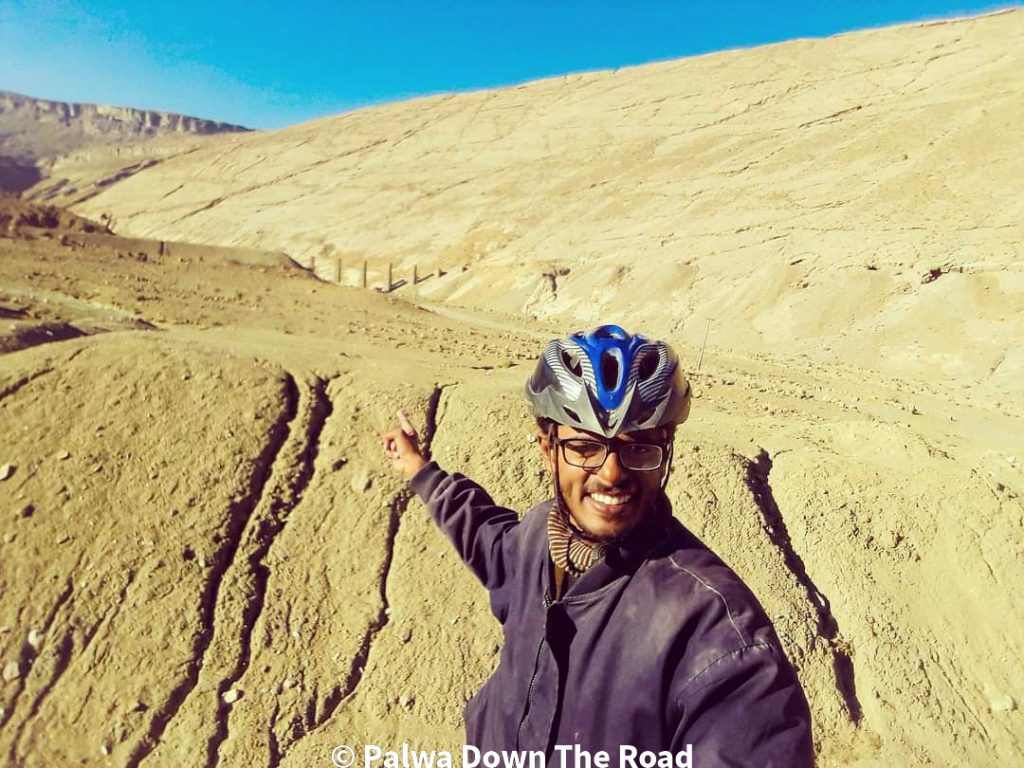
I have personally visited Chappar Rift twice. I first crossed it when I was on the bicycle during my Pakistan tour. The second time I was on a motorbike journey with my wife. Both times, it was a fantastic experience to visit this area.
Before I dive in any further, please take 2 minutes to watch this video on Chappar Rift.
Chappar Rift – A Wonder of Balochistan
The first railway line to Quetta was operational in 1886 through Bolan Pass. A year later, Harnai, Khost, Chappar Rift, and Bostan were another rail route to Quetta. Through Chappar Rift, though non-existent today, this route has been recognized as one of the most admired engineering projects in this part of the world.
Many rail lovers worldwide try to follow the scenery of Chappar Rift in their models. Many others still visit this area to see the remains of what was once a very pictorial railway.
The ruling slope of this track was 1 in 40, with a maximum height of about 6000 ft above sea level. What made the railway track through Chappar Rift an engineering wonder was overcoming two vital geological hurdles in the area.
The first hurdle was an 8-kilometer-long mud gorge made of gypsum clay. Since gypsum is not a rigid material, laying a rail track on this gypsum floor was challenging.
Due to incomplete liquefaction of the gypsum clay in wet conditions, the entire entrance with approximately 50 ft of the tunnel has drifted off sideways by about 40 ft and dropped 20 ft into the ground.
The second geological barrier on this track was the Chappar Rift itself. It is a 5-kilometer broad cleft with mountains as high as hundreds of feet on either side.
The Railway line was laid by transmitting and defeating these natural obstacles. The prominent features of the project covered almost 2 km of tunneling, a seven-span way, and a 250 ft high bridge.
The Chappar Rift has recognized a monster of nature. It formed when a mountain broke open in two parts after an earthquake.
Nature had created these two parts so perfectly that the gorge appeared to be parts of a jigsaw puzzle from a distance. As the rail track entered the Chappar Rift area, it had no feasible foundation for the mountain edge.
The rocks on the sides of the mountain were not suspected reasonably. Engineers then decided to make a line of connected tunnels to make the rail base more solid.
Instead of building the tunnels in a typical way, the engineers chose a reasonable way of tunneling by driving openings into the side of the cliff at various points and then separating the tunnel right and left of these holes until the different segments met.
The design and estimates for this bridge were the most challenging during its construction. The bridge consists of seven 40 ft long and one 150 ft long girder span used over the deepest part of the rift.
The entire work ended without the loss of a single life. The Duchess of Connaught inaugurated the bridge on March 27, 1887, in the presence of Duke Lord Roberts and a well-known group of people. The explosion of 20 mines marked the occasion.
The bridge was designated after the Duchess, who praised it as the most remarkable work in the subcontinent. From that day on, the bridge is known as the Louise Margaret Bridge.
Engineers of that time, were proud when for the first time train passed from here. People use to come to see this marvelous piece of engineering.

The Railway line served as an alternative route to Quetta for about 55 years. On July 10, 1942, a flash flood swept away the bank in the Chappar Rift. People say that the water level reached up to 30 ft in the mud-gorge area, and it caused extensive decay of rail foundations.
The railway route through Bolan Pass left the value of a longer rail route through Chappar Rift an irrelevant issue.
Hence in 1943, the railway track between Zardalu and Bostan, which moved only one train a week, was shut down. The railway officials then decided in the same year, and the track was finally removed.
A path between Sibi, Harnai, and Khost was functional until early 2006. There is rarely any chance that the Sibi-Khost route will become alive again.
No one is allowed to stay here at night, as mentioned on board.
The pillars of the Chappar Rift are still intact. I believe that once you come here, you will be amazed to see this marvelous piece of engineering.
Pakistan Railway must restore this historic part of the railway by constructing a small museum for people unaware of the Chappar Rift.
The remains of several bridges, including the Margaret Louise Bridge, are still some tell-tale signs of railway stations. It is at a distance of 105 kilometers from Quetta, Balochistan. Now it is a tourist point and tourists often visit this spot.

Hopefully, this blog will inspire you to visit Chappar Rift. Also, if you have any questions on Balochistan or my experience traveling on a bicycle/motorbike, please comment below or email me. I’ll try to reply to you as soon as possible.