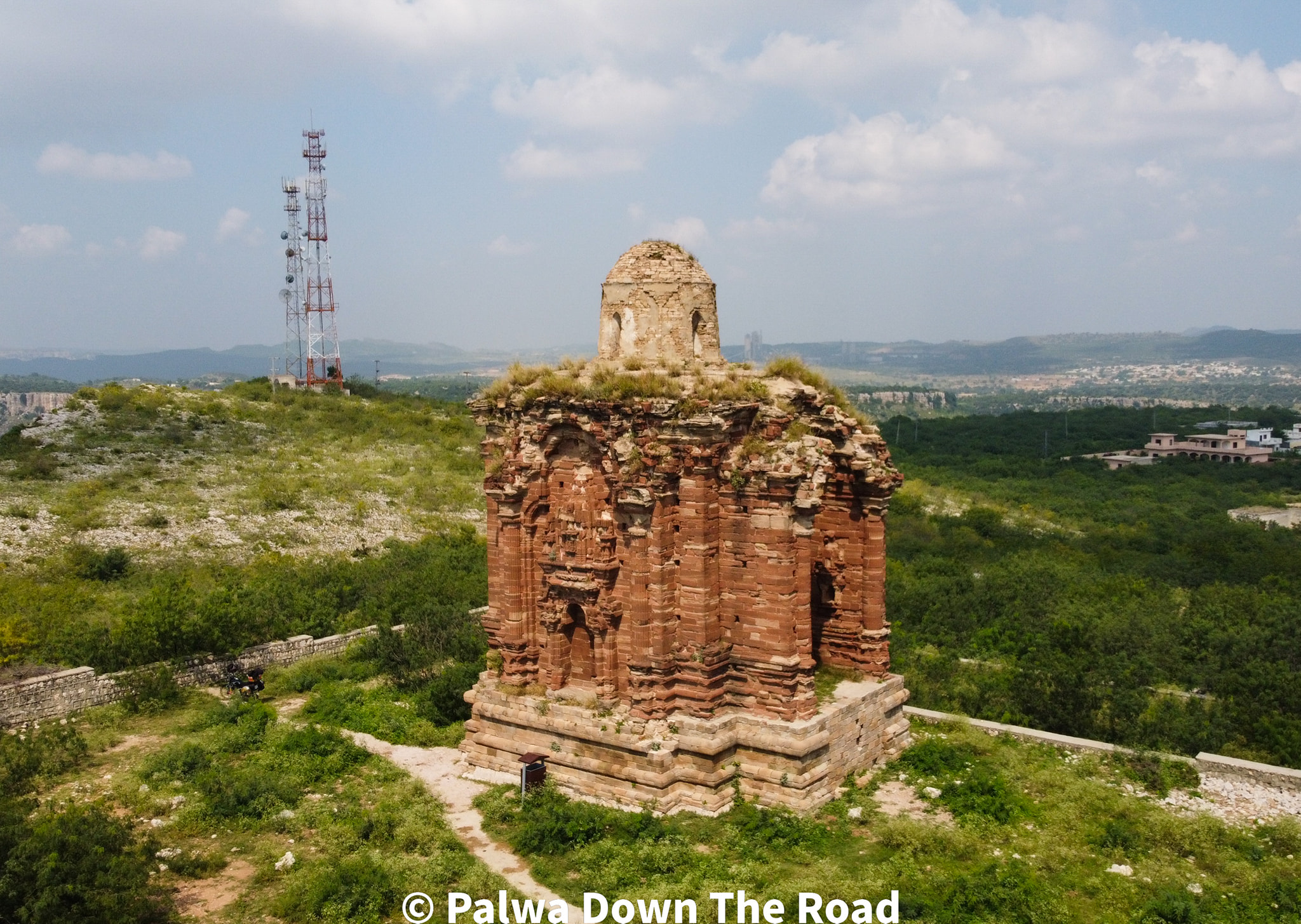
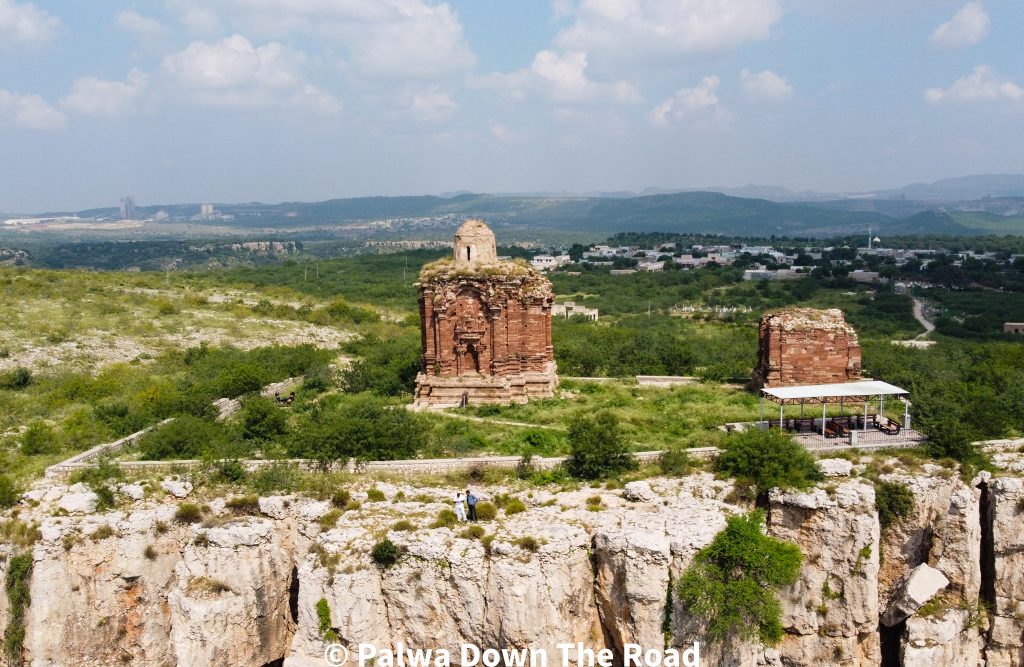
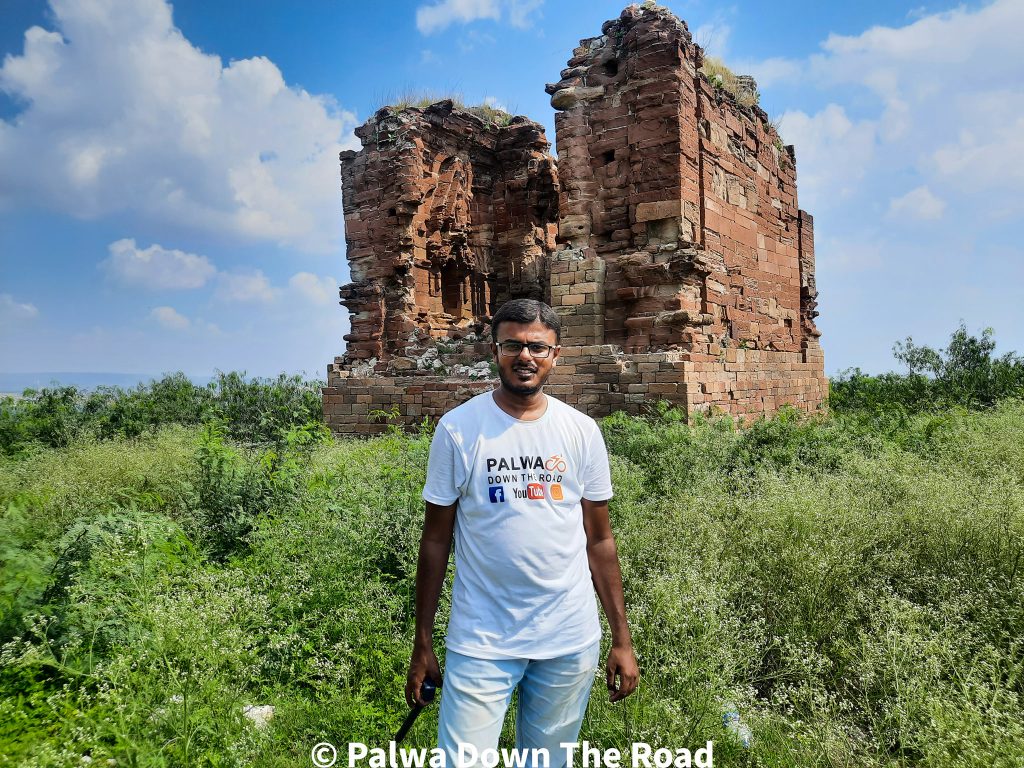
Two temples on the premises of the Malot fort have decayed, and the remains are covered in wild growth. Janjua Emperor Raja Mal Khan constructed Malot Fort in the 12th century. Hindu Rajput Mal converted to Islam after Afghan invader Shihabuddin Ghori invaded India in 1178. So he kept his name Abdul Hakeem afterward.
The salt range remained the travel passage of Alexander the Great, Taimur, Babur, and others. Alberuni also discussed the old routes of Kalar Kahar in his book Kitab-ul-Hind.
In addition, this era has remarkable Muslim religious history because of the Sufis and Saints who resided there.
The Janjua rulers in the Salt Range remain targets for external invaders, attacked by those moving through the area to Delhi. The only way to Delhi was Nandna Pass, near the Nandna Fort.
Local rulers at that time considered themselves safe as they constructed a fort on a hilltop. The Shayha Temple in the Malot Fort is more impressive than the rest of the remains.
If you are more of a visual person, then please watch the following video, which summarizes my trip to Malot Fort:
The area was first known as Malik Kot and then changed to Malot. The transformation of the names from Malik Kot to Mal-Kot and then finally to Malot is evident in the Tuzk-e-Babri. Archival data unveils that Malot Fort was built around 980 AD. The height of Malot Temple from sea level is about 3200 feet.
The architecture of Malot Temples
Like the two Shivite temples of Ketas and Nandna, Malot was built when the Salt Range was under the Kashmirian administration. And so, it loyally reflected the style of the Martand temple. Made with red sandstone, the temple, and its gateway are fine examples of the Greek construction tradition of local temple architecture.
Once, there was a denticulate wall, scattered with huge gatehouses, overlooking the easy path from the north. Now all that remains is just a part of this wall and two crumbling gateways.
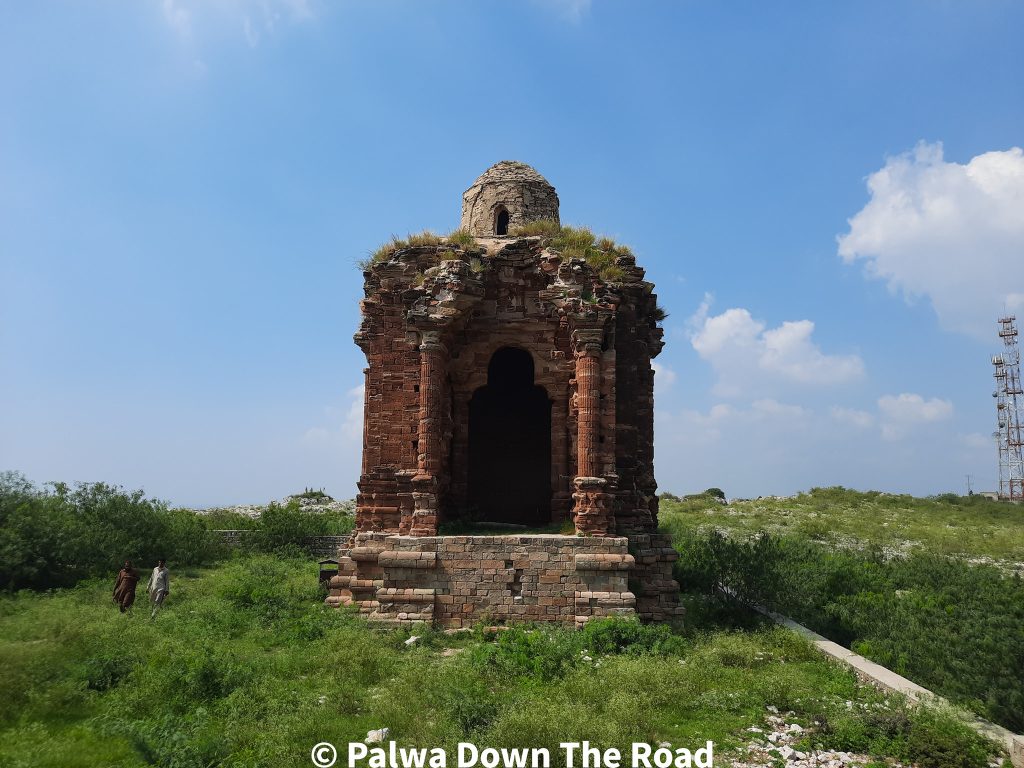
Before independence, the Hindu Brahmans look after these temples. In 1960, during a study of archaeological sites in the Salt Range, Sir Alexander Cunningham declared the facade of Malot Fort to be gorgeously picturesque and bold.
Due to this structure, it is one of the prettiest in the entire region. The red sandstone shimmers in the sun’s natural light which is also a local vernacular material present in the Salt Range Mountains. Residents tell that red sandstone exists on the road leading to the Malot village near the Choi village.
Ignorance of Malot Fort By Punjab Archaeology
However, the Punjab archaeology department has ignored the fort. According to the mission statement on its website, the Directorate General of Archaeology aims to preserve and protect the built heritage and archaeological sites for future generations.
Location of Malot Fort
Malot Fort was built on a hilltop in the Malot village, around 40 kilometers from Chakwal City and 12 kilometers from Kallar Kahar.
Best Time to Visit Malot Temples
The most suitable time to visit Malot temples is during winter.
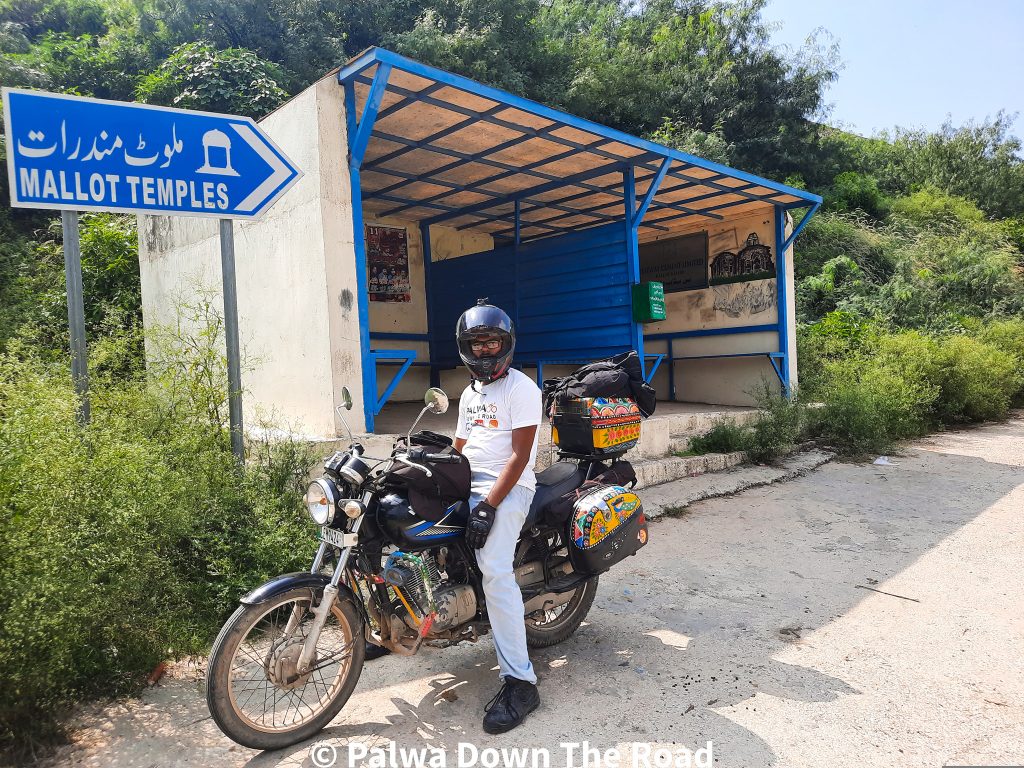
Hopefully, this blog will inspire you to visit Malot Fort. Also, if you have any questions on Punjab or my experience traveling on a bicycle/motorbike, please comment below or email me. I’ll try to reply to you as soon as possible.